
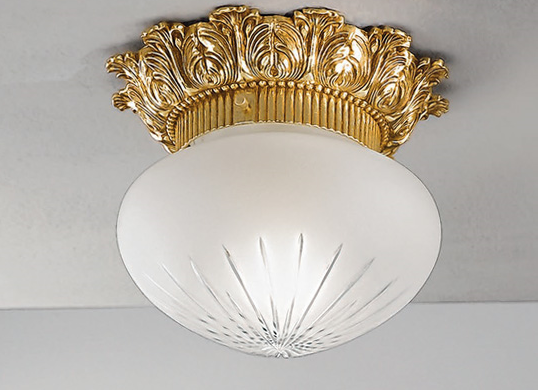
Brass, bronze and wrought iron in the tradition of Italian lighting
Brass, bronze and wrought iron represent much more than simple materials for classic lighting: they tell the story of an Italian tradition built on a balance between technique, aesthetics, and attention to detail. Over time, these metals have helped define the identity of classic chandeliers, as each offers specific characteristics in terms of workability, visual impact, and interaction with light. When you choose a lamp made with these materials, you connect with a design language rooted in history and continuously evolving, adapting to contemporary spaces without losing coherence.
Within this context, Nervilamp — a company based near Milan — enhances brass, bronze and wrought iron through handcrafted Made in Italy lighting solutions inspired by the Baroque style. Metalworking becomes an integral part of the design process, since every finish and detail contributes to defining atmosphere and spatial perception. Choosing these materials today means combining tradition and contemporary design, shaping lighting that is not only functional but also deeply expressive.
Brass, bronze and wrought iron in classic chandeliers between aesthetics and function
Brass, bronze and wrought iron are three essential materials in classic chandeliers, as each contributes differently to both aesthetics and lighting function. When you observe a chandelier in a classic style, you immediately recognize the value of the raw materials, which not only support the structure but also define how light is reflected, diffused, and perceived within the space. The choice of metal therefore affects not only visual appearance but also the overall atmosphere.
Brass, for example, stands out for its warm, golden tone, which enhances brightness and elevates refined settings. Bronze introduces a deeper, more material presence, capable of adding character and visual solidity. Wrought iron, on the other hand, is expressed through more structured lines and visible handcrafting, adding authenticity and a strong artisanal identity. These differences allow you to shape the style of a classic chandelier according to the space in which it is placed.
Some characteristics help define the role of brass, bronze and wrought iron in classic chandeliers:
- brass reflects light more brightly, helping create luminous and refined environments
- bronze absorbs and diffuses light more softly, supporting more intimate atmospheres
- wrought iron emphasizes the structure of the chandelier, highlighting craftsmanship
When selecting the material, you define not only a decorative element, but a true design tool capable of influencing both perception and lighting performance.
Brass, bronze and wrought iron in Made in Italy artisanal craftsmanship
Brass, bronze and wrought iron reach their highest expression through Made in Italy artisanal craftsmanship, because it is through skilled manual work that these materials reveal their full aesthetic and functional potential. When a classic chandelier is created in an artisanal context, each production phase is carefully managed to ensure coherence between form, finish, and light output. Metalworking does not follow standardized processes, but adapts to the project, allowing the creation of unique solutions perfectly integrated into the space.
In the case of brass, bronze and wrought iron, Italian tradition translates into established techniques that are reinterpreted according to contemporary needs. Brass can be polished or satin-finished to adjust light reflection, while bronze is often treated to achieve deeper and more textured surfaces. Wrought iron, on the other hand, requires manual processes that highlight both structure and the artisan’s mark, making each piece unique.
Within this field, Nervilamp enhances brass, bronze and wrought iron through handcrafted Made in Italy lamps inspired by the Baroque style. Production goes beyond the creation of the product and becomes a complete design process, where every detail contributes to defining the identity of the lighting.
When you choose these handcrafted materials, you choose a quality built over time, where tradition and innovation coexist without compromise.
Brass, bronze and wrought iron in contemporary interiors
Brass, bronze and wrought iron find a new dimension in contemporary interiors, as they enable an effective dialogue between traditional materials and modern design languages. When you introduce chandeliers in brass, bronze or wrought iron into a modern space, you add a material presence capable of bringing depth and character without sacrificing stylistic coherence. The contrast between clean surfaces and worked metals creates a visual balance that makes the environment more dynamic and distinctive.
In contemporary spaces, these materials are not used to replicate a classic style, but to reinterpret it. Brass works well in bright and refined settings, especially when paired with neutral tones and matte finishes. Bronze fits into more sophisticated environments, where it helps build warm and enveloping atmospheres. Wrought iron becomes a structural element that introduces rhythm and authenticity, especially when combined with natural or industrial materials.
Some criteria help integrate brass, bronze and wrought iron into contemporary interiors:
- choosing balanced proportions in relation to space and ceiling height
- pairing metals with modern materials such as glass, concrete, or natural wood
- using the chandelier as a focal point to define visual hierarchy
When materials and combinations are carefully selected, brass, bronze and wrought iron become design tools capable of enhancing contemporary interiors with a strong and coherent presence.
Brass, bronze and wrought iron as a design choice for lighting
Brass, bronze and wrought iron represent a precise design choice when defining a lighting system that is coherent with the space. It is not just about selecting a material for its aesthetic value, but about evaluating how it interacts with light, spatial proportions, and surrounding elements. Each metal contributes differently to lighting quality: brass enhances brightness, bronze creates softer diffusion, while wrought iron emphasizes structure and direction.
When developing a lighting project, finishes must also be considered, as they directly affect the final result. Polished, satin, or oxidized surfaces modify reflection and influence atmosphere, making the chandelier an active element in shaping the space. In this sense, brass, bronze and wrought iron become design tools that allow precise control over light and perception.
Some criteria help guide the choice of brass, bronze and wrought iron in lighting design:
- evaluating the function of the space to select the most suitable metal
- considering finishes in relation to the quantity and quality of light
- integrating the chandelier with other light sources to achieve overall balance
Within this design approach, Nervilamp develops handcrafted Made in Italy lighting solutions in which brass, bronze and wrought iron are worked to meet both aesthetic and functional needs. The choice of material becomes an integral part of a conscious lighting project.
Click here to contact us and speak with our experts!
Brass, bronze and wrought iron: frequently asked questions
What are the differences between brass, bronze and wrought iron in chandeliers?
Brass, bronze and wrought iron differ in both aesthetic performance and interaction with light. Brass reflects light more brightly, bronze creates a warmer and more diffused effect, while wrought iron enhances structure with a more material and artisanal impact.
Are brass, bronze and wrought iron suitable for modern interiors?
Yes, as they allow a balanced contrast between tradition and contemporary design. When chosen with appropriate proportions and finishes, these materials integrate easily into modern environments, adding character without overwhelming the space.
Which material should be chosen between brass, bronze and wrought iron for a chandelier?
The choice depends on the desired effect and the function of the space. Brass is ideal for bright and elegant environments, bronze for more intimate and sophisticated settings, while wrought iron suits contexts where craftsmanship is meant to stand out.
Do brass, bronze and wrought iron require specific maintenance?
These materials require simple but regular maintenance. It is advisable to use products specifically designed for metals and to handle surfaces carefully in order to preserve finishes and aesthetic qualities over time.
Why choose handcrafted chandeliers in brass, bronze and wrought iron?
Handcrafted chandeliers made with brass, bronze and wrought iron ensure construction quality, attention to detail, and customization possibilities. Manual craftsmanship allows the creation of solutions that are consistent with both the space and the lighting design.